 Whatapp: +86 189 2318 5391



How To Make A Screen Printing Screen?
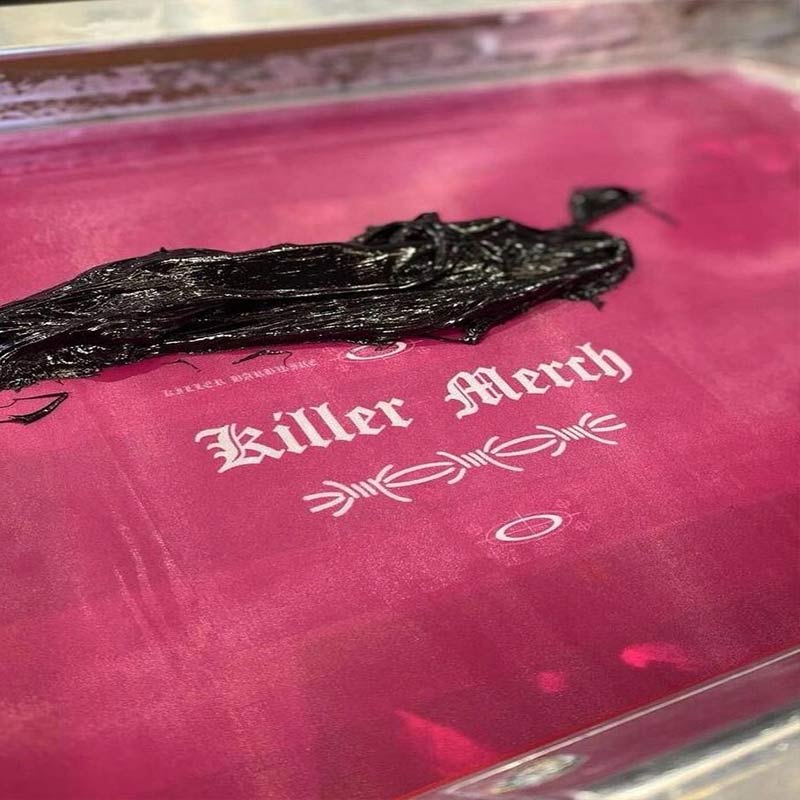
For apparel brands, streetwear labels, merch suppliers, and garment project buyers, Screen Printing quality often depends on something customers never see: the screen itself. A clean print does not start at the press. It starts with artwork preparation, mesh selection, coating, exposure, washing, drying, and production testing.
When a screen printing screen is made poorly, the result is easy to recognize: blurred edges, uneven ink deposit, pinholes, weak opacity, misaligned logo details, and inconsistent bulk printing. For B2B buyers, these problems are not only technical defects. They can delay delivery, waste garments, increase sampling rounds, and make a brand look less professional.
Start With Artwork That Can Survive Production
Before making a screen, the artwork must be prepared for real printing, not only for digital viewing. Thin lines, tiny text, complex gradients, and low-resolution graphics may look acceptable on a computer screen, but they can become unstable during stencil making and printing.
For heavy-duty screen printing, this step becomes even more important. Raised logos, thick plate effects, reflective details, glow effects, and high-opacity graphics need clear artwork separation. If the artwork is not suitable for screen exposure, the final print may lose sharpness or produce uneven texture.
Garment buyers should confirm the print size, color separation, fabric type, logo position, and expected hand feel before production begins. This helps the printing team make a screen that fits the actual order, not just the visual idea.
Mesh And Coating Decide Print Detail
A screen printing screen uses mesh to control how ink passes through the stencil. Different printing effects need different mesh choices. A fine graphic may need a screen that can hold sharper detail, while a thick raised print may need enough ink deposit to build texture on the fabric.
The coating stage also matters. If emulsion is applied unevenly, the stencil may produce weak edges or inconsistent ink release. If exposure time is wrong, parts of the artwork may wash out too much or block too tightly. These details affect whether the print can stay clean during repeated production.
For apparel orders, screen preparation should match the printing target. A soft fashion print, a bold streetwear logo, and a thick plate print should not be treated the same way.
Testing Helps Avoid Bulk Printing Surprises
A screen may look ready after exposure, but testing is still needed before mass printing. The first sample can show whether the ink passes evenly, whether the edges remain sharp, whether the texture matches the buyer’s expectation, and whether the print position works on the actual garment.
This step helps protect bulk orders. Without testing, a small screen issue may only appear after many garments have already been printed. For buyers ordering hoodies, T-shirts, cut pieces, or branded merch, that can lead to wasted fabric, delayed delivery, and difficult approval discussions.
Our heavy-duty screen printing services are built around controlled screen preparation, layered ink application, and fabric printing experience. For brands that need bold logos, thick plate effects, or durable graphic printing, screen testing is part of making the final result more predictable.
Heavy-Duty Printing Needs A More Stable Screen
Standard screen printing and heavy-duty screen printing do not create the same production pressure. Thick ink layers, raised surfaces, specialty pigments, and strong wash requirements all put more demand on the screen and printing process.
If the screen cannot hold the stencil cleanly, the raised print may look rough. If ink release is unstable, the logo thickness may change from one garment to another. If the screen is not suited for the fabric, stretch areas may show cracking or poor adhesion after wear.
For B2B buyers, the concern is consistency. A sample print may look impressive, but the real test is whether the same effect can be repeated across a bulk order. That is why screen making, ink selection, squeegee pressure, curing, and fabric compatibility should be reviewed together.
What Buyers Should Confirm Before Printing
A buyer does not need to know every technical step of screen making, but a few details are worth confirming before ordering:
Artwork size and print position
Fabric type and stretch level
Desired ink thickness or raised effect
Color count and opacity requirement
Sample approval method
Wash and rub resistance expectation
Bulk order quantity and delivery schedule
These details help the factory prepare the right screen printing screen and reduce unnecessary sampling corrections. They also help buyers compare suppliers by production control, not only by price.
Conclusion
Making a screen printing screen is not just a pre-production task. It is the foundation for sharp graphics, stable ink deposit, consistent texture, and reliable bulk printing. For apparel brands and merch buyers, better screen preparation can reduce print defects, shorten approval time, and make the final garment look closer to the approved sample.
If your design needs raised logos, Thick Plate Printing, reflective effects, glow details, or durable streetwear graphics, the screen should be discussed before production starts. Send the artwork, fabric type, print size, and expected effect first, and we can review whether heavy-duty screen printing is the right method before sampling begins.