 Whatapp: +8618927726981




What Is Screen Printing on Shirts?
Screen Printing on shirts is one of the most widely used methods in apparel decoration. In simple terms, it is a process where ink is pushed through a prepared screen onto fabric to create a design. Each color is usually applied in a controlled layer, which helps produce strong coverage, clear edges, and a print that can hold up well in regular wear. That is why screen printing remains a standard choice for fashion brands, merch programs, uniforms, promotional clothing, and large-volume custom apparel orders.
For many buyers, though, this topic is not only about understanding a printing method. It is also about knowing which process makes the most sense for quality, cost, and long-term supply. A shirt print may look good in one sample, but business buyers usually care about more than first impression. They look at color consistency, wash performance, bulk stability, lead time, and whether the supplier can support repeat production without visible variation. That is where screen printing becomes more than a technical process. It becomes part of the product value itself.
Why Screen Printing Is Still So Popular
Screen printing has stayed popular for a reason. It gives a strong, solid visual effect that works especially well for logos, bold graphics, brand marks, and designs that need high color presence. Compared with some other methods, it often delivers better opacity and a more defined finish, especially on darker garments or designs that need clear contrast.
This matters a lot in commercial orders. A retail brand may want a print that looks clean on every size in the run. A wholesaler may need output that stays stable across reorders. A private label customer may care most about how the print feels after washing and whether the design still looks sharp after repeated use. Screen printing is often chosen because it answers those practical concerns better than many buyers expect.
How Screen Printing On Shirts Actually Works
The basic process starts with artwork separation and screen preparation. A mesh screen is made for the design, and the open areas of that screen allow ink to pass through onto the garment. When the ink is pushed across the screen, the design transfers onto the shirt in a controlled pattern. After printing, the garment is cured so the ink bonds properly to the fabric and gains better durability.
That sounds simple when explained in one paragraph, but a good result depends on many small decisions. Fabric type matters. Ink choice matters. Print pressure matters. Curing temperature matters. Registration matters when multiple colors are involved. If one part is off, the final shirt may show rough edges, weak color, poor stretch recovery, or uneven hand feel.
This is why buyers often run into problems when they choose only by price. Cheap printing can look acceptable at first glance, but bulk production reveals the difference quickly. Colors may drift from one batch to another. The print may crack too early. The placement may shift slightly across sizes. For B-end buyers, these are not small production details. They affect customer trust, returns, and the ability to build a stable apparel line.
What Makes Screen Printing Different From Other Shirt Printing Methods
Screen printing is often compared with DTG, heat transfer, and other digital methods. The main difference is that screen printing is usually stronger for bold production, repeat volume, and designs that need high color impact. It is especially useful when a buyer wants a proven process for larger runs and a print surface that feels commercially reliable.
That does not mean it is the answer for every project. If the design is highly photographic or the order is extremely small, another process may sometimes be more efficient. But when the goal is brand consistency, durable graphics, and cleaner cost control in volume production, screen printing stays highly competitive.
This is also where buyers benefit from working with a supplier instead of treating printing as a one-step service. A good supplier should not only accept the file and start production. It should help decide whether the artwork is right for screen printing, whether color count is practical, and whether a special finish can create more value in the final garment.
Why Puff Printing Matters In The Screen Printing Category
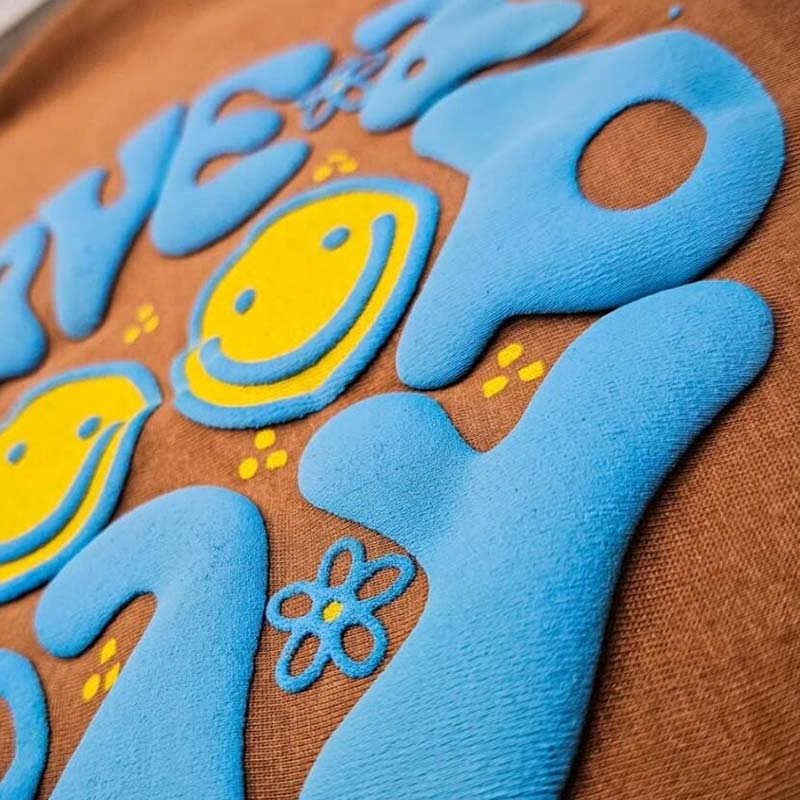
When people ask what screen printing on shirts is, they often think only of flat ink. In reality, screen printing includes specialty effects that can make the garment look much more distinctive. Puff printing is one of the most useful examples. It belongs to the screen printing family, but instead of sitting flat on the shirt, it creates a raised effect that gives the design more depth and texture.
That is why puff printing has become popular in fashion collections, streetwear, branded sweatshirts, statement logos, and premium casualwear. It gives the print a stronger visual presence without making the design overly complicated. In many apparel lines, a flat logo can feel too standard. A puff print version of the same logo can make the piece feel more intentional and more premium.
Our product connects naturally with this topic because our Custom Puff Print service is built around this raised screen printing effect. It helps shirts and other garments achieve a more dimensional surface, which is useful for buyers who want their graphics to stand out visually and physically. For brand owners, importers, and custom clothing buyers, this gives an extra layer of product differentiation without moving away from a production method that is already familiar and scalable.
Why B-End Buyers Care About More Than Just The Print Look
In the market, buyers rarely judge shirt printing by appearance alone. They may start with the look, but they quickly move to more practical questions. Can the supplier keep the same effect across bulk orders. Will the raised print stay stable after washing. Can the design be sampled accurately before mass production. Is communication clear enough to avoid mistakes in size, placement, and color.
These concerns are real because apparel printing is full of small risks. A print that looks strong in one sample can behave differently when the fabric changes. A design that works on one color may not translate well to another. An effect that feels premium in photos may feel too stiff if the wrong setup is used. This is where many sourcing problems begin. Buyers do not only need printing. They need judgment, process control, and a supplier who understands how technical choices affect commercial results.
That is one reason many customers prefer working with a printing manufacturer that can offer one-stop support. It reduces handoff errors, improves communication, and makes it easier to move from sample confirmation to bulk order production. For wholesale programs, OEM projects, and private label development, that kind of support matters as much as the print effect itself.
How To Tell If Screen Printing Is Right For Your Shirt Project
Screen printing is usually a strong fit when the design needs bold presence, stable color, and good repeatability in production. It is especially useful for logos, lettering, fashion graphics, and commercial apparel where consistency matters. If the buyer also wants a more distinctive finish, specialty effects such as puff printing can add texture and stronger shelf appeal.
This makes screen printing a practical choice for buyers working in fashion supply, promotional clothing, teamwear, retail collections, and branded merchandise. It is also a good option when the order is meant to scale. A lot of buyers begin with a test run, then move to larger quantity once the market responds well. In that kind of workflow, a supplier with stable screen printing capability is easier to build with over time.
Why Supplier Capability Changes The Final Result
A shirt printing project is never only about one machine or one ink system. The final result depends on production control, quality checks, communication, and how well the supplier understands the intended market. This is why experienced buyers often ask not only what printing method is used, but who is producing it and how the production is managed.
A capable supplier can help with artwork review, process selection, sampling advice, and bulk production planning. That support is especially important when buyers need something more than a standard flat print. Puff effects, textured finishes, and brand-specific print directions require tighter execution. The printing has to look attractive, but it also has to stay commercially practical in delivery, consistency, and repeatability.
Our service fits this kind of need because it is positioned for customers who want more than a generic shirt print. Whether the goal is a raised logo, a more fashion-led finish, or a stronger brand expression through specialty screen printing, the value is not only in the effect itself. It is also in having a supplier that can support the process from concept to production.
Conclusion
So, what is screen printing on shirts. It is a printing method that transfers ink through a prepared screen onto fabric to create durable, visually strong designs. It remains one of the most trusted choices in apparel because it supports bold graphics, stable production, and strong commercial usability. For many buyers, that combination is exactly what makes it worth choosing.
When buyers want to go beyond flat graphics, puff printing offers a more dimensional version of screen printing that can make shirts look more distinctive and premium. That is why it has become a useful option for brands, wholesalers, and private label customers who want stronger product identity without giving up production practicality.
If you are reviewing printing methods for your next apparel project and want advice on screen printing, puff effects, sampling, or bulk order planning, contact us for tailored support. We can help you match the right print direction to your garment style, quantity plan, and market position, so the final result works better both visually and commercially.
Previous: