 Whatapp: +8618927726981



How Do You Print Designs on T Shirts?
Printing designs on T shirts looks simple from the outside, but good results depend on much more than putting artwork onto fabric. The print method, fabric type, color accuracy, hand feel, and production stability all shape the final result. That is why this question matters not only to small brands and creators, but also to importers, wholesalers, private label buyers, and sourcing teams looking for a reliable T Shirt Printing supplier.
In practice, printing a design on a T shirt starts with the artwork file, but it does not end there. A supplier has to check whether the design suits the fabric, whether the colors can be reproduced clearly, and whether the chosen process fits the order size and delivery plan. For B-end buyers, this is often where the real challenge begins. A design may look perfect on screen, yet come out dull, cracked, misaligned, or too stiff if the wrong method is used. That is why a strong supplier is not just a printer. It should also be a production partner that understands how printing choices affect quality, cost, and repeat orders.
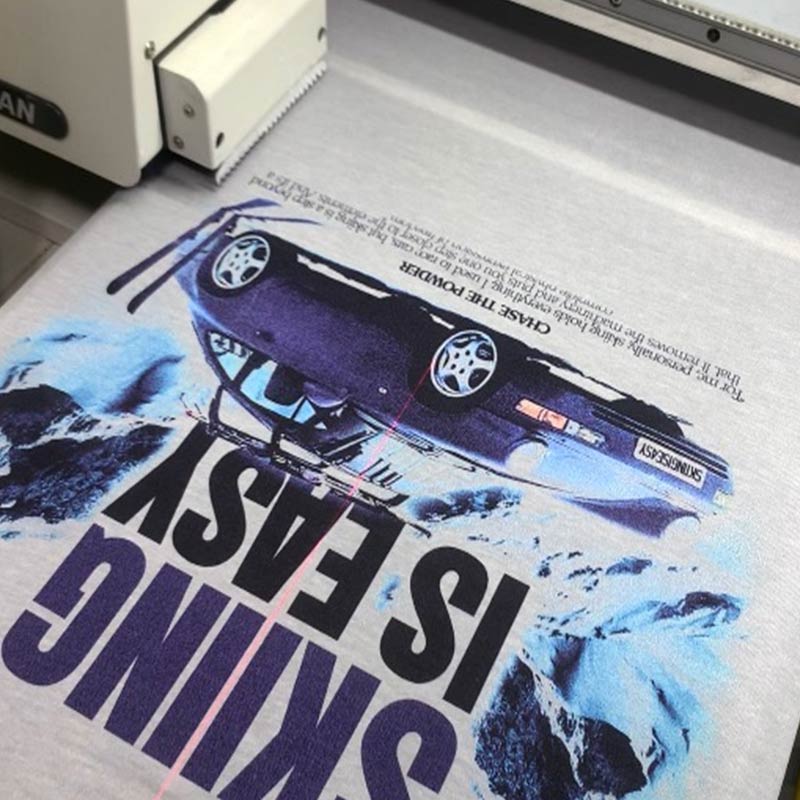
Why t shirt printing Is More Than Just Putting Ink On Fabric
When people ask how do you print designs on T shirts, they usually imagine one single method. In reality, several printing technologies are used in this category, and each one fits a different production goal. Some methods are better for bold bulk graphics. Some work better for detailed artwork. Some are more efficient for large wholesale orders, while others are ideal for fast sampling or smaller custom runs.
This matters because buyers often face a familiar problem. They want a clean-looking print, but they also need the process to match lead time, budget, and order size. A brand launching a test collection may need flexibility. A distributor may need stable output across repeated bulk orders. A private label customer may care more about softness, wash durability, and presentation quality. Good T shirt printing starts with understanding those needs clearly, not just choosing a machine.
How The T Shirt Printing Process Usually Works
The basic process begins with artwork preparation. The design file should be clear enough for production and suitable for the chosen print method. After that, the fabric and garment color are reviewed, because these affect both ink performance and visual results. Dark shirts, for example, often need a white base or special treatment to keep the design bright and accurate.
Next comes print setup. This stage is where experienced suppliers make a big difference. Positioning, scale, and color handling need to be checked before production starts. Once setup is correct, the design is printed directly onto the shirt or transferred through the selected process. After printing, the garment is usually cured or finished so the print can bond properly and hold up better in use and washing.
This may sound straightforward, but production problems often happen in these small steps. Poor file handling can blur details. Weak setup can shift the print position. Inconsistent finishing can affect feel and durability. For buyers, these are not minor issues. They directly affect sell-through, customer satisfaction, and reorder confidence.
Why DTG Printing Is A Strong Option For Detailed T Shirt Designs
For many modern design projects, direct-to-garment printing is one of the most practical methods. DTG works especially well when the artwork includes many colors, gradients, soft edges, or photo-like detail. Instead of relying on separate screens for each color, it prints the image directly onto the garment, which makes it more flexible for custom work and smaller production runs.
Our product fits naturally into this topic because our T shirt printing service uses DTG white ink printing for high-quality full-color reproduction, especially on cotton and dark fabrics. This makes it a useful option for brands and buyers who need better detail, cleaner color transitions, and faster sampling without the long setup process common in some traditional methods. It is also practical when the order includes different artworks, short runs, or pilot collections before a bulk order moves forward.
For B-end customers, this solves a common sourcing pain point. Many buyers do not want to commit to large quantities before checking market response. A process that supports smaller batches and quicker turnaround gives them more room to test designs, adjust product plans, and move faster in competitive markets.
Why Supplier Support Matters In Printing Orders
T shirt printing quality is not decided by equipment alone. Supplier support matters just as much. A buyer may have strong artwork but limited knowledge of print behavior on different fabrics. Another may know the market well but need help choosing between DTG, Screen Printing, or transfer methods. Without proper guidance, the project can lose time and money before production even begins.
This is why buyers often look for a supplier that can do more than print one order. They want someone who understands sampling, artwork review, production planning, packaging flow, and stable quality across repeat orders. In wholesale and OEM projects, that support becomes even more important. The printing result has to stay consistent from one shipment to the next, especially when the garments are sold under a buyer’s own label.
Our service is suitable here because customers can either send finished T shirts for printing or let us provide the shirts and complete the process in one place. That kind of flexibility is useful for importers, brand owners, and project buyers who want a simpler workflow and fewer handoff problems during production.
What B-End Buyers Usually Care About Most
For most business buyers, the real concern is not only how to print designs on T shirts, but how to print them well at a workable cost and dependable standard. They want to know whether colors stay close to the approved artwork, whether the print feels comfortable enough for the target market, and whether the result holds up after washing. They also care about production speed, communication efficiency, and whether a supplier can support future scale-up.
This is where weaker suppliers often fall short. Some can produce a good sample but struggle with consistency in bulk. Some focus only on price and ignore detail handling. Others do not manage timelines well, which creates pressure for launches and delivery windows. A reliable supplier should reduce those risks. That is what makes a printing partner valuable, especially for customers building long-term apparel business.
Conclusion
So, how do you print designs on T shirts? The short answer is that the design is prepared, matched to the fabric, printed with the right method, and properly finished for color, feel, and durability. The better answer is that successful T shirt printing depends on choosing the right process and the right supplier at the same time.
For buyers who need detailed graphics, flexible quantities, and smoother production support, a professional T shirt printing supplier can make the whole project much easier. Our printing service is built to help brands, wholesalers, and private label customers move from artwork to finished product with less friction and better consistency. If you are planning a new collection or reviewing printing options for your next order, contact us for practical guidance. We can help you evaluate the right print method, garment solution, and production approach for your market.