 Whatapp: +8618927726981




How Long Does Screen Printing Last?
Screen Printing can last for years when it is produced correctly and cared for properly. In most real-world use, the lifespan is best measured by how many wash-and-wear cycles the print can withstand before you notice visible fading, cracking, or peeling. A well-made screen print on a suitable fabric, using the right ink system and proper curing, can stay sharp through dozens of washes and continued daily wear. When screen printing fails early, the cause is usually predictable: incorrect curing, the wrong ink choice for the fabric, excessive print thickness, or aggressive laundry habits.
If you are comparing decoration methods for your apparel program, you can review ZDM’s capabilities here: screen printing service.
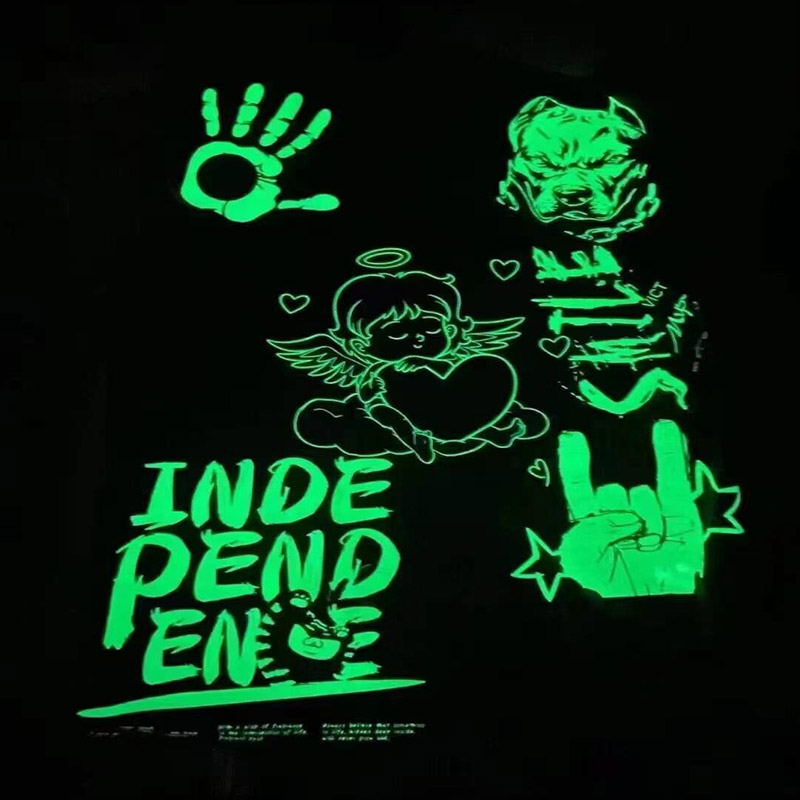
What Screen Printing Durability Really Means
Screen printing durability is not one single number because it depends on both production quality and end-user care. The most practical durability indicators include:
Color retention over repeated washing
Resistance to cracking when the garment stretches or flexes
Adhesion to the fabric surface without peeling at edges
Rub resistance during everyday friction from bags, seat belts, or layered clothing
Stability under heat exposure from dryers or ironing
A long-lasting print is the result of the full print system working together: ink formulation, mesh selection, stencil quality, deposition control, and curing temperature and time. When one step is inconsistent, the print may look good on day one but degrade quickly in use.
Typical Lifespan Ranges In Everyday Use
Because garments are washed at different temperatures, with different detergents, and dried in different ways, screen printing durability is often discussed in ranges rather than exact guarantees. The table below shows realistic expectations when prints are produced properly and the garment is cared for in a standard way.
| Print Condition And Use Pattern | What You Typically See Over Time | Practical Lifespan Expectation |
|---|---|---|
| Proper ink match, correct curing, gentle wash, low heat drying | Color stays strong, surface remains flexible | Long-term durability with minimal change |
| Proper production, frequent washing, moderate heat drying | Slight fading, minor softening of hand feel | Strong durability through repeated cycles |
| Thick ink deposit, high heat drying, heavy abrasion use | Early cracking at fold lines, surface roughness | Reduced lifespan without special care |
| Under-cured print or incompatible ink for fabric | Peeling, tackiness, fast fading or cracking | Early failure, often within short use |
This is why the correct question is not only how long it lasts, but what conditions it must survive in your target market. A workwear program, a performance sports style, and a fashion tee can all need different durability priorities.
The Key Factors That Determine How Long Screen Printing Lasts
Screen printing is durable by design, but longevity depends on several controllable factors.
Ink Type And Compatibility
Different inks behave differently on cotton, polyester, blends, and stretch fabrics. A print that lasts is one where the ink system is selected to bond correctly and stay flexible during movement. For example, prints on stretch garments require an ink approach that can flex repeatedly without cracking.
Curing Temperature And Time
Curing is the single most common reason prints fail early. If a print is under-cured, it may fade fast, feel tacky, or crack and peel. If it is over-cured, some fabrics can be heat-stressed and the print can become brittle. Correct curing is a controlled process, not a guess.
Print Thickness And Artwork Design
Very thick ink layers can look bold, but thickness increases stiffness and cracking risk on fold zones. Artwork with large solid blocks, sharp corners, or thin lines also has different stress points during wear. Longevity improves when the artwork is designed with fabric movement in mind.
Fabric Surface And Garment Construction
A smooth, stable knit usually prints more consistently than a rough or heavily textured surface. Garment construction also matters. Seams, rib areas, and high-stretch zones change how ink flexes and where cracking may begin first.
Washing And Drying Habits
Even excellent prints will degrade faster under high heat, harsh detergents, and aggressive mechanical abrasion. High dryer heat is one of the fastest ways to shorten print life, especially for heavier deposits or certain fabric types.
How To Make Screen Printing Last Longer
Improving lifespan does not require complicated steps. It requires consistency and avoiding the most common damage sources.
Recommended care habits:
Turn garments inside out before washing to reduce friction on the print surface
Use cold or warm water instead of hot cycles when possible
Choose mild detergents and avoid heavy bleaching or strong stain removers on the print area
Avoid high heat drying and long dryer times, because heat accelerates fading and brittleness
Do not iron directly on the print surface, and avoid high-pressure pressing on large solid prints
Separate heavy items like towels or denim from printed garments to reduce abrasion
If the print is designed for athletic use or frequent industrial laundering, it is important to define that requirement at the sampling stage. Durability targets should be built into the print plan, not discovered after bulk production.
How ZDM Controls Print Durability In Production
Long-lasting screen printing comes from disciplined process control. ZDM focuses on repeatable execution so the print you approve in sampling is the print you receive in production.
Key durability controls include:
Ink system selection based on fabric type, garment use, and required hand feel
Mesh and stencil setup that supports consistent deposit and crisp edges
Placement alignment and repeatability standards to reduce variation across sizes
Controlled curing parameters to achieve stable adhesion and flexibility
Production checks to confirm visual consistency and surface integrity before packing
If your program has specific expectations such as high wash frequency, stretch performance, or long-term color stability, those requirements should be defined early. That allows the printing plan to be built around your target outcome rather than using a generic setup.
You can view ZDM’s capabilities and typical applications here: screen printing service.
Conclusion
Screen printing can last for years when the ink system matches the fabric, curing is controlled, and the garment is cared for with reasonable wash and drying habits. The main drivers of longevity are curing accuracy, ink compatibility, print thickness, fabric behavior, and heat exposure during laundering. If you want consistent durability across a full production run, the best approach is to align durability expectations during sampling and confirm the printing plan before bulk manufacturing.
If you have questions about how long a specific artwork will last on your fabric, contact ZDM with your garment type, fabric composition, and target use conditions. We can recommend an appropriate screen printing approach, provide production guidance, and support customization planning through our screen printing service.
Previous: