 Whatapp: +8618927726981




How To Heat Transfer Printing on Fabric?
heat transfer printing on fabric is a process that bonds a printed design onto textiles using controlled heat and pressure. Instead of pushing ink directly through a screen, you print the artwork onto a transfer carrier, then use temperature, dwell time, and pressure to fuse the graphic into the fabric surface. When the settings and materials are matched correctly, heat transfer prints deliver sharp detail, strong color, and reliable wash performance across many garment and textile categories.
This guide explains the most common heat transfer workflows, how to choose fabrics and transfer types, and how to set temperature and time for clean, repeatable output. For professional production and scalable order fulfillment, ZHONGDAMNEG provides heat transfer solutions through its heat transfer printing dtf service.
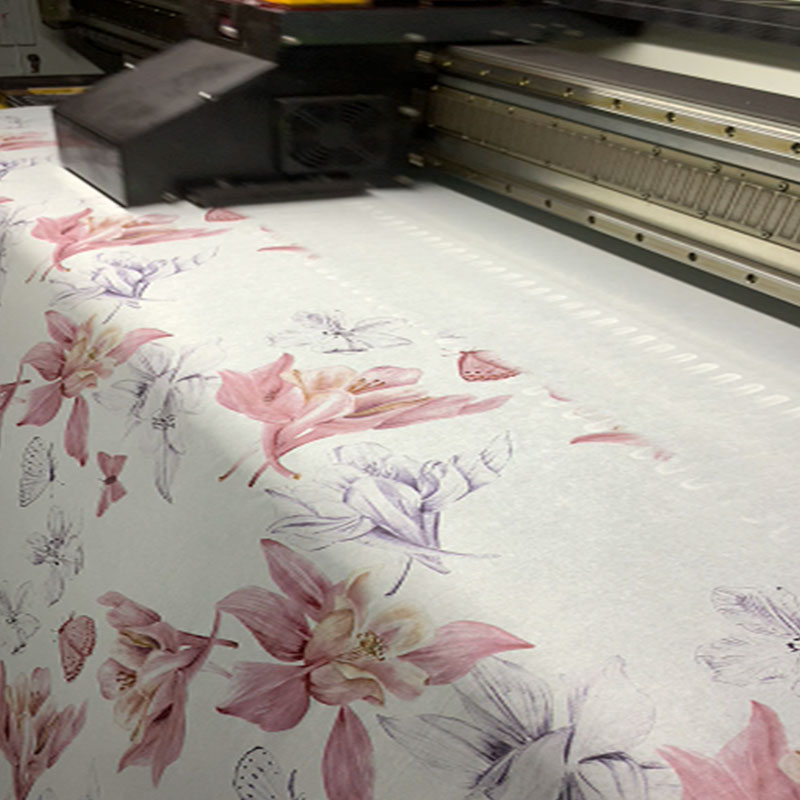
What Heat Transfer Printing Is and Why It Works
Heat transfer printing works because heat activates an adhesive layer or ink binder that melts and flows into the fabric surface. Pressure ensures full contact between the transfer and textile, while dwell time allows the bond to form evenly. Once cooled or peeled according to the transfer type, the design remains attached and resists cracking, lifting, and fading when the correct combination of materials and process settings is used.
Compared with some direct-print methods, heat transfer is especially useful when you need fine details, complex gradients, or multi-color graphics without building multiple screens. It also performs well across varied order sizes because setup can be faster for many designs.
Common Heat Transfer Printing Methods
Heat transfer is a family of processes. The right method depends on fabric composition, hand feel expectations, stretch requirements, and order volume.
Transfer film methods for fast, consistent bonding
Many factories use heat transfer film workflows because they are efficient for repeatable production. A typical approach uses high-temperature pressure and continuous transfer, often in the 180–200°C range for stable fusion onto fabric. This range supports consistent adhesion when paired with proper dwell time and pressure.
DTF-style transfers for detailed, flexible apparel graphics
DTF-style transfers are popular for apparel because they can deliver clean detail and flexible wear. For stretchwear applications, the transfer construction and bonding must tolerate motion without cracking, including demanding use cases where prints need strong stretch performance.
Sublimation for polyester-heavy textiles
Sublimation is ideal for polyester and certain coated materials, producing vivid results by turning dye into gas that bonds into the fibers. It is not suitable for all fabrics and is typically not used for cotton in the same way.
ZHONGDAMNEG supports scalable production options and application matching through its heat transfer printing dtf capabilities.
The Heat Transfer Printing Workflow Step by Step
Heat transfer printing is straightforward when the workflow is controlled. The same core steps apply across many transfer types, with the biggest differences being transfer material selection and peel method.
1. Confirm fabric type and end-use conditions
Start by confirming whether the fabric is cotton, polyester, blended, or performance stretch material. Cotton and polyester behave differently under heat, while stretch fabrics require transfers that can flex without edge lifting. End-use matters because workwear, sportswear, and home textiles face different washing, abrasion, and heat exposure conditions.
2. Prepare the artwork for transfer printing
Artwork should be production-ready with correct resolution and color separation rules for the chosen transfer method. Fine details, gradients, and small text require stable printing and clean edges on the transfer layer. If you are printing for repeat runs, consistent color control in the artwork stage reduces variation across batches.
3. Print the design on the transfer carrier
In film-based workflows, the pattern is printed onto a transfer film or paper first, then moved to fabric in the press stage. In roll-to-roll production, continuous transfer helps maintain throughput and alignment for large-volume output while keeping consistent pressure across the width.
4. Set press temperature, time, and pressure
Correct settings are the difference between a professional finish and common defects like lifting, bubbling, or dull color.
Key control points:
Temperature activates adhesive and ink binders; many production workflows run around 180–200°C depending on materials.
Dwell time ensures the bond fully forms; too short causes poor adhesion, too long can scorch or distort certain fabrics.
Pressure ensures uniform contact; uneven pressure often causes edge lifting or patchy bonding.
Because fabrics and transfers vary, production teams typically validate settings with a sample press before full runs.
5. Transfer onto the fabric and manage the peel phase
After pressing, you either peel hot, warm, or cold based on the transfer construction. Peel timing affects surface gloss, edge cleanliness, and the chance of lifting. A controlled peel routine improves consistency, especially in multi-operator production.
6. Post-press finishing for stronger durability
Some workflows benefit from a short finishing press using a protective sheet. This can improve surface smoothness, enhance edge sealing, and reduce the chance of corner lifting after washing.
Recommended Settings and Practical Targets
Exact settings depend on transfer type and fabric, but a clear reference helps teams start correctly and then fine-tune through sampling.
| Fabric Category | Practical Goal | Typical Production Consideration |
|---|---|---|
| Cotton tees and hoodies | Strong adhesion and clean detail | Stable heat control to avoid scorching and maintain hand feel |
| Polyester and blends | Crisp color and stable bonding | Avoid overheating that can cause fabric shine or distortion |
| Stretchwear and sportswear | Flex without cracking | Transfers designed for high stretch performance, controlled pressure |
| Home textiles | Wash resistance and large-format consistency | Roll-to-roll stability and even bonding across wider fabric widths |
For functional stretchwear, it is common to require strong flexibility performance, including demanding stretch behavior for active garments. For home textiles, production often prioritizes consistent bonding across large panels and repeated washing performance.
What Heat Transfer Printing Is Best For
Heat transfer printing is used widely because it adapts to different product lines without losing clarity.
Apparel applications
Heat transfer is especially practical for:
Cotton basics such as T-shirts, hoodies, and polos where multi-color logos and complex gradients must stay sharp.
Stretchwear such as sportswear and yoga garments where transfers need high flexibility, including strong resistance to stretch movement.
Functional workwear where reflective or high-visibility graphics are required and bonding consistency matters under daily use.
Home textile applications
Heat transfer is also used for:
Bedding and cushions where detailed printed effects are desired.
Curtains and wide textile panels where production may need stable alignment and consistent bonding across large widths.
Tableware textiles such as placemats and tablecloths where wash resistance becomes a key performance factor, including frequent hot washing cycles in commercial environments.
If you need a production partner that can support both apparel and textile applications with scalable workflows, ZHONGDAMNEG provides options through its heat transfer printing dtf service.
How to Avoid Common Heat Transfer Defects
Most defects come from mismatch between transfer type, fabric, and process controls. The fixes are usually practical and repeatable.
Edges lifting after wash often indicates insufficient pressure, incorrect peel timing, or not enough dwell time. Improving pressure uniformity and adding a short post-press can strengthen edge sealing.
Cracking on stretch garments often means the transfer is not designed for high flexibility or the ink layer is too thick. Choosing a stretch-capable transfer and controlling press parameters reduces stress fractures.
Dull or uneven color often comes from uneven pressure or unstable temperature across the platen. Production-grade equipment and consistent operator routines improve repeatability.
Scorch marks or fabric shine usually indicate excessive heat or time. Adjusting temperature downward and validating with a sample prevents visible damage on sensitive fabrics.
Cleaning and Care Guidance for Finished Products
Proper aftercare helps the print reach its expected lifespan. Many commercial buyers specify wash routines in their care labels to reduce unnecessary failures.
Useful care practices:
Let the print rest after pressing before heavy stretching or washing.
Wash inside out to reduce abrasion on the print surface.
Avoid overly aggressive drying temperatures if the garment fabric is sensitive.
For buyers, it is valuable to validate wash performance on real fabrics used in production, especially for uniforms, sportswear, and hospitality textiles that face frequent laundering.
Conclusion
Heat transfer printing on fabric works by bonding a printed design onto textiles using controlled heat, pressure, and time. A reliable workflow includes fabric confirmation, transfer-ready artwork, stable printing onto a carrier, accurate press settings, correct peel timing, and optional finishing press steps that improve durability. When the process is matched to fabric type and end-use demands, heat transfer prints deliver clean detail, strong color, and consistent performance across apparel and home textile applications.
For production-grade output and scalable order support, ZHONGDAMNEG provides solutions through its heat transfer printing dtf service.
Previous: What Is Cut Pieces Printing?