 Whatapp: +8618927726981




How Does Silk Screen Printing Work?
Silk Screen Printing, often called screen printing, is a method of transferring ink through a mesh screen onto fabric or other materials using a stencil. The stencil blocks ink in some areas and allows ink to pass in others, forming a crisp design on the garment. The process is popular because it produces strong color, excellent durability, and consistent results at scale, which is why it remains a top choice for branded apparel, uniforms, event merch, and retail collections.
This article explains how silk screen printing works step by step, what happens at each stage from artwork setup to curing, how different ink types change the result, and how to choose a printing approach that fits your design and order goals. You can explore ZHONGDAMNEG services here: screen printing.
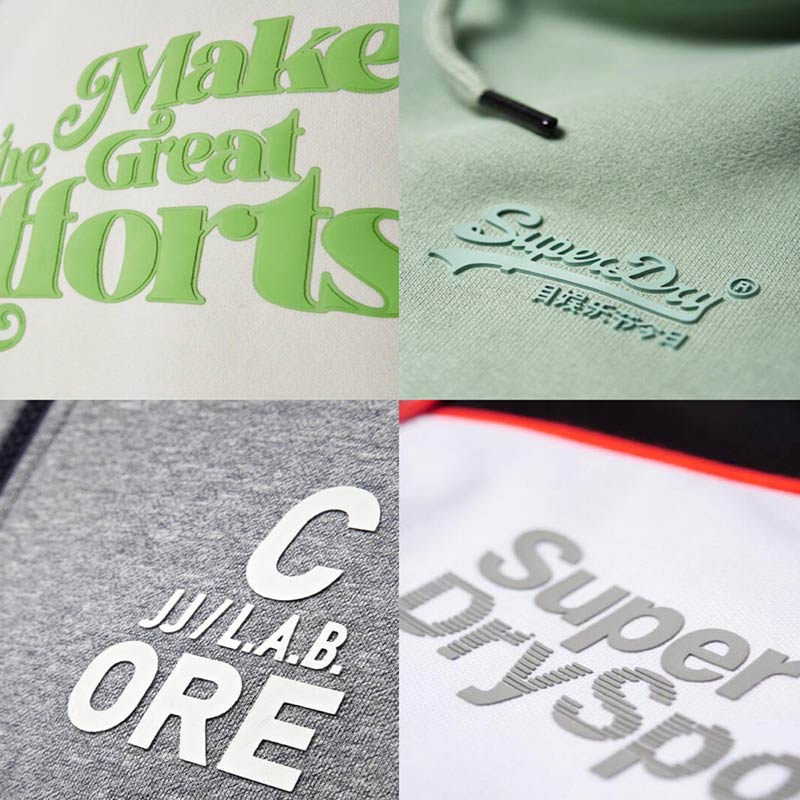
The Core Principle Behind Screen Printing
Screen printing works because the mesh screen acts like a controlled filter. Areas not covered by the stencil allow ink to be pushed through the mesh onto the garment. Areas covered by the stencil remain clean. A squeegee creates pressure and moves ink evenly across the screen so the printed layer is consistent.
For multi-color designs, screen printing uses separate screens for each color. Each screen is aligned carefully so every layer lands exactly where it should. This layer-by-layer structure is why screen printing can create bold, opaque prints that hold up well after repeated washing.
Step 1: Preparing the Artwork for Printing
Before any screen is made, the artwork needs to be prepared in a print-ready format. Screen printing requires clear separation between colors and clean edges. Artwork preparation determines whether fine lines stay sharp and whether the final print matches the original design.
Key setup tasks include:
Converting the design into separate layers for each ink color
Confirming line thickness and small detail feasibility for fabric printing
Adjusting for garment color and opacity needs
Planning ink order so colors cover correctly without bleeding
This is the stage where production teams often recommend small adjustments that improve durability and visual impact without changing the design identity.
Step 2: Making the Screen and Creating the Stencil
A screen is a frame with a fine mesh stretched tightly across it. The mesh is coated with a light-sensitive emulsion. Once coated and dried, the design is exposed onto the screen using strong UV light.
The exposure process hardens the emulsion where light hits. The unexposed areas remain soft and wash out with water, leaving open mesh where ink will pass. That open area becomes the stencil shape.
Screen quality matters because tension and exposure accuracy affect print edge sharpness and consistency across large runs.
Step 3: Setting Up the Print Station and Registration
After screens are prepared, they are mounted onto a printing press. The press can be manual for smaller runs or automated for larger production. Each screen is aligned to the garment using registration marks so multi-color designs match precisely.
Registration is critical because even small misalignment becomes obvious when colors overlap. Professional production uses controlled setup procedures to keep alignment stable across dozens, hundreds, or thousands of pieces.
During setup, printers also test the first prints to confirm:
Placement and sizing on the garment
Ink coverage and opacity
Edge sharpness and detail clarity
Interaction between colors and fabric texture
Step 4: Applying Ink Through the Screen
Ink is placed on the screen and pulled across the design area with a squeegee. The squeegee forces ink through the open mesh and onto the fabric.
Several variables control print quality at this stage:
Squeegee pressure and angle, affecting ink deposit thickness
Screen mesh count, influencing detail and ink volume
Ink viscosity, affecting smoothness and bleed control
Print stroke speed, affecting consistency across a run
For dark garments, printers often use a base layer to improve color pop. For fine detail designs, higher mesh counts can help keep edges clean.
Step 5: Flash Drying Between Colors When Needed
Multi-color printing often requires flash drying between layers, especially when ink coverage is heavy or when colors overlap. Flash drying partially sets the ink so the next color does not smear or lift.
This stage helps keep designs sharp and prevents muddy color blending. It is also useful for prints that need a raised or textured feel because it supports controlled layering.
Step 6: Curing the Print for Wash Durability
Curing is the final step that locks the ink into a durable layer. Without proper curing, the print may crack, fade, or peel after washing. Curing uses heat and time, often through a conveyor dryer for production runs.
Curing requirements depend on ink type. Plastisol inks cure differently from water-based inks. A reliable curing process ensures the print holds up through repeated wear, washing, and daily friction.
This is one of the most important stages for brand buyers because curing consistency is what separates a professional long-lasting print from one that fails early.
Common Ink Types and What They Change
The ink type influences feel, appearance, and performance. Choosing ink depends on the brand style and garment fabric.
| Ink Type | Look and Feel | Best For | Key Considerations |
|---|---|---|---|
| Plastisol | Bold, opaque, classic print feel | Logos, uniforms, large solid areas | Excellent durability, thicker hand feel |
| Water-based | Softer feel, more breathable | Fashion prints, lighter designs | Works best on lighter fabrics, requires good process control |
| Discharge | Very soft, dyed-in appearance | Vintage look on dark garments | Requires compatible fabrics and controlled chemistry |
| Specialty inks | Metallic, puff, glow, high-density | Promotional and statement designs | Higher setup control and cost, specific curing needs |
For brand consistency, production should match ink selection to fabric type and target market expectations.
What Determines Screen Print Quality on Clothing
Screen printing quality is the result of controlled repeatability. The most common drivers are screen prep accuracy, ink consistency, correct curing, and garment quality.
Quality factors that buyers typically care about:
Color accuracy and opacity on different garment colors
Sharp edges and clean small details
Stretch resistance and crack prevention
Wash durability without significant fading
Consistency across size runs and multiple production batches
Because screen printing scales well, it is often the preferred method for stable repeat orders where the brand needs the same result every time.
When Screen Printing Is the Best Choice
Screen printing is strongest when you need bold color and volume production. It is ideal for logos, uniforms, school and team apparel, retail basics, and promotional clothing where durability matters.
It is also a strong choice when you want consistent branding across multiple garment styles, because the print method can be standardized once the screens and settings are confirmed.
To review screen printing capabilities, design support, and production workflows, explore ZHONGDAMNEG’s screen printing services.
Why Brands Choose ZHONGDAMNEG for Screen Printing
For overseas buyers, the key value is stable output and repeatable quality. ZHONGDAMNEG supports screen printing with production-focused control over artwork preparation, screen making, printing consistency, and curing. This approach helps ensure prints remain sharp, durable, and consistent across large orders and repeat runs.
If your goal is to produce branded clothing with reliable color, strong durability, and scalable production, explore options here: screen printing.
Conclusion
Silk screen printing works by using a mesh screen and stencil to transfer ink onto fabric in controlled layers. The process includes artwork separation, screen creation with emulsion exposure, careful registration, ink application, optional flash drying, and final curing to lock in durability. When each stage is controlled, screen printing produces bold color, excellent wash resistance, and consistent results that scale well for brand and project orders.
To evaluate styles, ink options, and production support for your next apparel order, visit ZHONGDAMNEG’s screen printing page.